by Thomas Love Seagull
A recent poll for a TV special saw more than 50,000 people in Japan vote for their favorite retired baseball players. 20 players emerged from a pool of 9,000. Yes, they could only vote for players who are no longer active, so you won’t see Shohei Ohtani or other current stars on this list. Which is probably smart because I’m sure Ohtani would win by default. There are, however, players who were beloved but not necessarily brilliant, and foreign stars who found success after coming to NPB. Unsurprisingly, the list leans heavily towards the past 30 years, with a few legends thrown in for good measure.
Over the next few weeks, I’ll be profiling each of these players. Some of these players I know only a little about, so this will be as much a journey for me as, hopefully, it will be for you. It’ll be a mix of history, stats, and whatever interesting stories I can dig up.
For now, have a look at the list below and see how the public ranked them. I’ve included the years they played in NPB in parentheses.
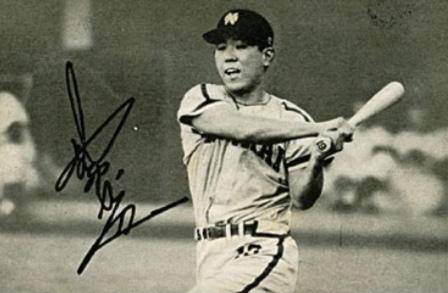
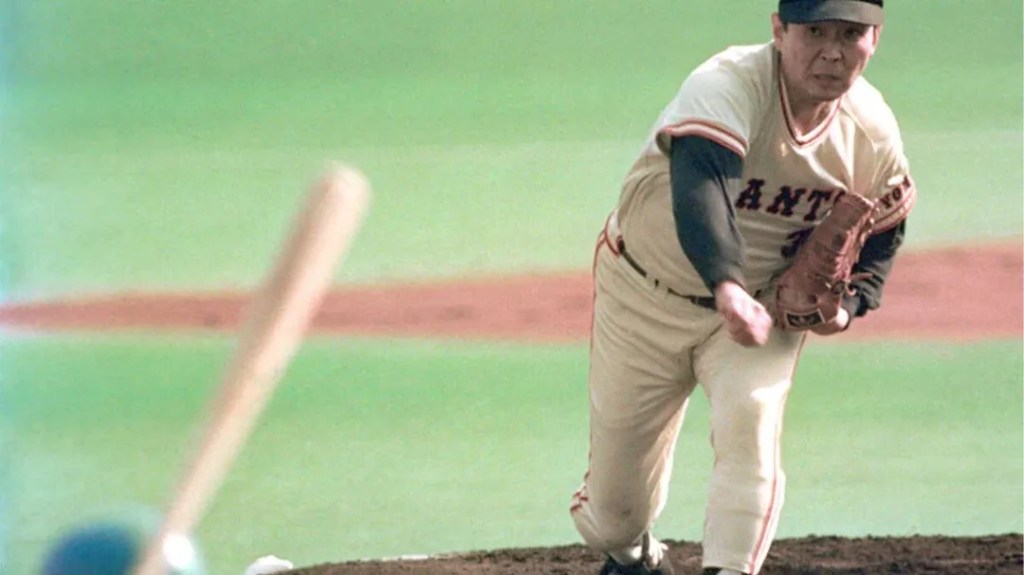
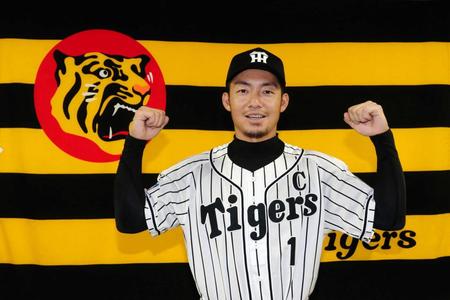
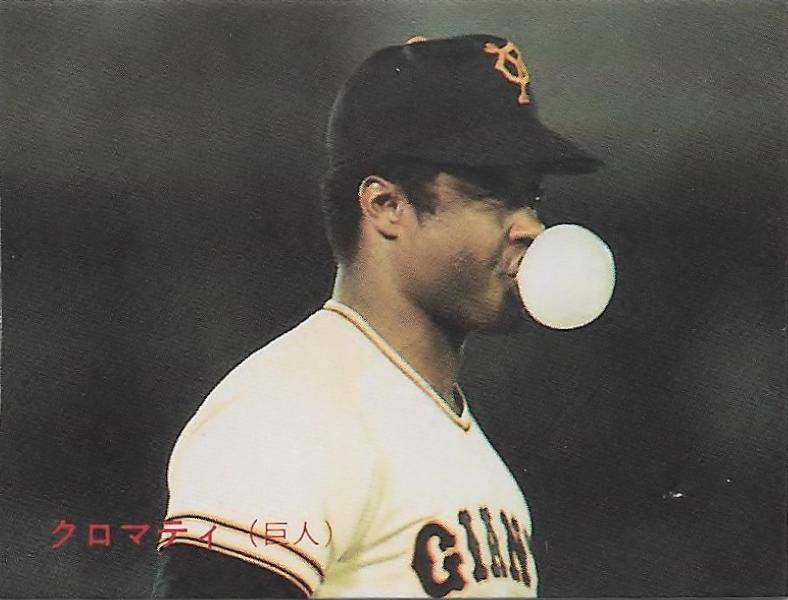
20. Alex Ramirez (2001-2013); 19. Yoshinobu Takahashi (1998-2015); 18. Warren Cromartie (1984-1990), 17. Takashi Toritani (2004-2021); 16. Suguru Egawa (1979-1987); 15. Katsuya Nomura (1954-1980); 14. Tatsunori Hara (1981-1995); 13. Kazuhiro Kiyohara (1985-2008); 12. Masayuki Kakefu (1974-1988); 11. Masumi Kuwata (1986-2006); 10. Atsuya Furuta (1990-2007); 9. Randy Bass (1983-1988); 8. Daisuke Matsuzaka (1999-2006, 2015-2016, 2018-2019, 2021); 7. Tsuyoshi Shinjo (1991-2000, 2004-2006); 6. Hiromitsu Ochiai (1979-1998); 5. Hideo Nomo (1990-1994); 4. Hideki Matsui (1993-2002); 3. Shigeo Nagashima (1958-1974); 2. Sadaharu Oh (1958-1980); 1. Ichiro Suzuki (1992-2000).
The four-eyed catcher who changed Japanese baseball
For a long time in Japanese baseball, there was an unwritten rule about catchers. They were supposed to look a certain way: broad-shouldered, rugged, unmistakably athletic. The catcher was the field general, the toughest player on the diamond, the one who absorbed punishment without complaint. Above all, he was not supposed to wear glasses.
Scouts repeated it often enough that it became a sort of conventional wisdom.
Atsuya Furuta was a catcher. And he wore them anyway.
Scouts worried openly about whether a four-eyed catcher could handle night games, whether his vision would hold under stadium lights, whether runners would exploit him.
In fairness, he did not look like a future star. He did not come from a powerhouse program. He never played at Koshien. As a child in Hyogo Prefecture, he joined a local team and became a catcher largely because no one else wanted to and because, as he later joked, he was a little overweight*. Catching suited him immediately. It allowed him to think, to organize, and to control the flow of the game.
*I also wore glasses as a child and was more than a little overweight. Maybe I should have been a catcher.
He remained largely unknown through high school and chose a nearby public school rather than a prestigious baseball program. Only at Ritsumeikan University did his ability begin to emerge. He became a four-time Best Nine selection in the Kansai collegiate league, captained the team, and earned selection to Japan’s university national squad. By his senior year in 1987, teams were expected to draft him.
Nippon-Ham promised to draft him out of university and then quietly passed, the explanation whispered afterward: a catcher with glasses could not succeed. Furuta sat through draft day surrounded by cameras and celebration prepared in advance, waiting for his name to be called. It never came. His teammate, Shigetoshi Hasegawa, remembered Furuta’s face as something he had never seen before. Not one of anger, not disbelief, just exhaustion.
Instead of turning professional, he joined Toyota, working in the personnel department while playing industrial-league baseball. He handled employee disputes, organized company events, and lived the routine of an ordinary working adult. Later he would say those years gave him a normal sense of money and responsibility, something many professional athletes never experience.
He understood that visibility was his only path back to professional baseball. The 1988 Seoul Olympics became his opportunity. Determined to make the national team, he researched the coaching staff and deliberately adjusted how he presented himself during tryouts, playing with visible energy and constant communication. He earned a roster spot and helped Japan win a silver medal, proving he belonged at the highest level.
The Yakult Swallows selected him in the second round of the 1989 draft.
He had finally made it.
But acceptance was not immediate. Yakult’s new manager, Katsuya Nomura, the greatest catcher in Japanese baseball history, initially doubted the idea of drafting an industrial-league catcher with glasses. The team needed pitching, and Nomura believed amateur success rarely translated cleanly to professional baseball. Early evaluations were blunt: a first-rate arm, second-rate bat, third-rate game-calling.
What changed everything was the moment pitchers began throwing to him.
From the first spring training camp in Yuma, Arizona, teammates noticed something unusual. His throwing motion was impossibly quick. His catching was quiet and stable. His hips were extraordinarily flexible, allowing him to sink low without losing balance, presenting a steady target that calmed pitchers instinctively. Coaches timed his release to second base and watched him win throwing contests against veterans. Nomura, observing quietly, realized the fundamentals were already elite.
“All he needs,” the manager later thought, “is to learn how to think.”
Furuta learned quickly because thinking was already his instinct.
He read constantly on road trips, unusual enough that Nomura once remarked he had rarely seen a player reading serious books instead of magazines. The praise embarrassed Furuta but also changed him; afterward, he joked, he felt unable to return to comics.
As a 24-year-old in 1990, he earned the starting job quickly. A veteran pitcher told him bluntly that rookie catchers were not allowed to call games; Furuta’s job was to signal inside or outside and catch whatever came. It stung his pride, but he treated the moment as a puzzle rather than an insult. He talked constantly with the pitcher, asked questions, blocked everything in the dirt, and threw relentlessly behind runners. Around their fifth start together, the pitcher finally told him, “From today, I’ll leave it to you.”
Trust, Furuta learned, was earned one pitch at a time.
He would later explain that young catchers misunderstood the position. Strategy came later. What came first was proof that nothing would get past you, that runners would be controlled, that pitchers could throw without fear. Only when a pitcher felt reassured could he accept guidance. He encouraged pitchers to shake off signs, believing responsibility sharpened their execution. The exchange of signals, he said, was a conversation conducted with fingers rather than words. Catching, he believed, was less about toughness than about understanding people.
To understand teammates better, he spent time with them away from the field. Sometimes they played video games. Often they played shogi, which he loved deeply enough to earn formal certificates from the Japan Shogi Association. Shogi revealed personality and how a person performed under pressure. Pitchers brought those same habits to the mound.
Nomura berated him constantly, sometimes during games, demanding explanations for every pitch sequence. “The catcher decides whether a pitcher lives or dies,” he would shout. Furuta endured the criticism by moving closer on the bench rather than retreating. If knowledge was hidden in those lectures, he was going to find it.
By his second season, his transformation stunned the league.
In 1991 he hit .340 and won the Central League batting title. During the All-Star Game he threw out three runners attempting to steal and earned MVP honors. Catchers were not supposed to dominate offensively; Furuta ignored the rule. Over his career he would hit .300 eight times, the most by any catcher in Japanese professional baseball history.
The following year he added power, hitting 30 home runs. In 1993 he led the league in hits and produced one of the most astonishing defensive seasons ever recorded: a .644 caught-stealing rate, still a Japanese professional baseball record. Runners stopped trying.
His defensive brilliance was subtle. He framed pitches with his lower body rather than his hands, shifting his hips so borderline pitches appeared centered. He rejected traditional mechanics when experience suggested better solutions, even persuading Nomura to reconsider long-held catching techniques. Teammates later said defensive positioning across the entire field flowed from Furuta’s decisions behind the plate.
Yakult transformed alongside him. Under Nomura’s data-driven “ID Baseball,” the Swallows rose from perennial underperformers to champions. Furuta became the center of it all, winning league MVP awards in 1993 and 1997 while guiding the team to multiple Japan Series titles. In 1997 he delivered the decisive home run of the Japan Series and became the first Central League catcher to win both regular-season MVP and Japan Series MVP. In 2001, returning from a serious knee injury, he batted .500 in the championship series while neutralizing the feared offense of the Kintetsu Buffaloes, led by Tuffy Rhodes and Norihiro Nakamura*.
*The pair combined for 101 home runs that season.
Through it all, he remained approachable, smiling behind familiar glasses that earned him the early nickname”“Nobita,” after the main character from Doraemon. Fans embraced the contrast: a cerebral catcher who looked more like a student than a warrior.
And because Furuta was Furuta, even exhibitions became opportunities to make history.
In the 1992 All-Star Game at Chiba Marine Stadium, managers searching for ways to energize the exhibition made an unexpected decision*: a catcher would bat leadoff. Furuta’s name appeared at the top of the Central League lineup, an almost absurd choice in a sport that traditionally hid catchers deep in the order.
*Masumi Kuwata was on the mound for the Central League. Leading off for the Pacific League? None other than his former high school teammate and the other half of the KK Combo, Kazuhiro Kiyohara.
He responded by turning the game into a personal highlight reel. In his first at-bat he drove a ball to center for a triple. Later came a single, then a home run to right field. By the middle innings he stood one hit away from something never before accomplished in an All-Star Game: the cycle.
His final chance arrived in the ninth inning. Already behind in the count, he shortened his swing and focused on contact, sending a drive over the center fielder’s head for a double. The cycle was complete. Furuta later admitted he had been aware of the stakes, joking that another player, Yomiuri’s Kaoru Okazaki, was also close and that whoever finished first might win the MVP. When the ball skipped past the outfielder, he felt relief as much as triumph. Asked why he stopped at second instead of stretching for third, he laughed and said his legs had gotten tangled up beneath him.
Another improbable moment came toward the end of his career. On June 28, 2003, against Hiroshima, aged 37, Furuta hit four consecutive home runs in a single game, tying one of the rarest records in professional baseball. Even as teammates urged him to chase history, he reportedly asked manager Tsutomu Wakamatsu with a laugh whether it was acceptable to match Sadaharu Oh. After the fourth homer, a young fan retrieved the ball and tried to return it; Furuta told the boy to keep it and posed for a photograph instead.
By then, the idea that a catcher wearing glasses could not succeed had become laughable.
He leaned into the identity instead. When laser eye surgery became popular years later, Furuta refused it. The glasses, he decided, were part of who he was. If anything, succeeding while wearing them made the accomplishment more meaningful. Young players with poor eyesight began telling him they continued playing because they had seen him play. That, he would later say, mattered more than any record.
In 1998, Furuta became chairman of the Japan Professional Baseball Players Association. At the time, it did not seem like a role destined to define his legacy. That changed in 2004.
When news broke that the Kintetsu Buffaloes and Orix BlueWave planned to merge, the announcement triggered fears that Japanese baseball would contract into a single league with fewer teams. Owners framed the decision as financial necessity. Players saw something else: disappearing jobs and shrinking opportunity.
Furuta immediately demanded explanations from league officials. At first, the requests were ignored. Decisions, owners implied, belonged to management. Players were expected to accept them.
He refused.
The issue escalated quickly. Rumors spread of further mergers and a potential ten-team or even eight-team league. Furuta argued publicly that contraction would shrink the sport’s market rather than save it. Baseball, he said, needed expansion and innovation, not retreat.
Negotiations dragged on through summer. Fans, initially confused, began paying attention, especially after prominent owner Tsuneo Watanabe of the Yomiuri Giants dismissed the dispute with the phrase “mere players.” Public sympathy shifted dramatically. Furuta appeared repeatedly on television explaining the stakes calmly and methodically, apologizing to fans even while defending the players’ position.
In September 2004, for the first time in seventy years of Japanese professional baseball, players went on strike.
Games stopped for two days.
Players held autograph sessions to thank fans for their patience. Furuta appeared on television again, visibly emotional as he apologized while explaining why the decision had become unavoidable. The strike was not about salaries, he insisted, but about preserving the structure of the sport itself.
Negotiations reopened. Owners softened their stance and the creation of the Rakuten Golden Eagles preserved the twelve-team, two-league system that continues today. One franchise still disappeared—the Orix BlueWave and Kintetsu Buffaloes merged to become the Orix Buffaloes—but the broader collapse many feared never came.
For many fans, Furuta’s leadership during the crisis mattered as much as anything he accomplished between the foul lines. He had protected not just players but the continuity of Japanese professional baseball itself.
In 2006, the Yakult Swallows named him player-manager, the first in Japanese baseball in nearly three decades since Nomura himself.
Furuta accepted without hesitation. To him, the role resembled what many forty-year-old professionals already did: balancing individual performance with organizational responsibility. Still, the reality proved exhausting. Managing required long-term planning, media responsibility, and constant decision-making layered atop the physical demands of catching.
True to his analytical instincts, he challenged tradition. Japanese baseball had long treated the sacrifice bunt as sacred, especially for the second hitter. Furuta disagreed. Outs, he believed, were too valuable to surrender easily. He preferred aggressive offense, prioritizing hits and baserunners over automatic strategy, a philosophy that sometimes puzzled reporters expecting conservative tactics. Critics described his baseball as overly bold, but Furuta insisted he was just adapting to the roster he had: when pitching depth was limited, winning required scoring runs.
The experiment produced mixed results. Yakult finished respectably at first, but injuries and roster imbalance caught up with the team. By 2007, he knew the end had arrived.
After the Swallows were eliminated from postseason contention, he announced through tears that he would retire as both player and manager.
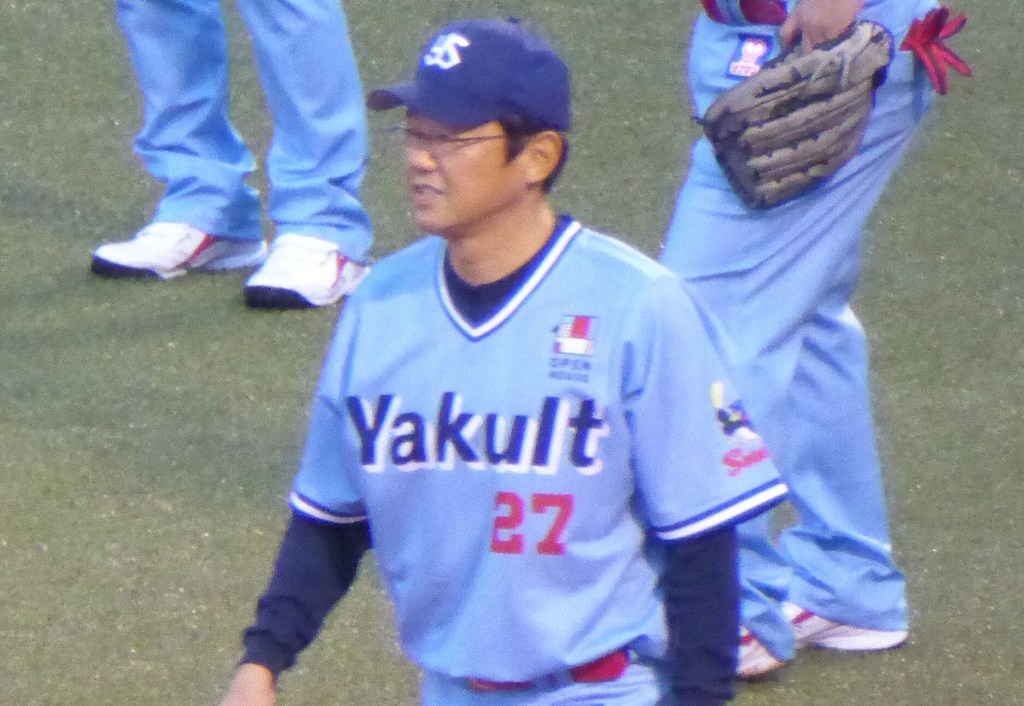
His final game at Meiji Jingu Stadium felt less like a goodbye than a celebration of an era. Tickets sold out immediately and more than 33,000 fans filled the ballpark, holding green placards bearing his number 27. In his final at-bat, he faced longtime rival Shinji Sasaoka, who had held his own retirement ceremony only a day earlier. As chants of “Fu-ru-ta!” echoed from both fan bases, the at-bat ended with a routine ground ball. He embraced teammate Shingo Takatsu on the mound. The farewell ceremony ended with simple words: “Thank you for eighteen years. Let’s meet again.”
After retirement, Furuta did something that surprised even those who thought they understood him. Three days after cleaning out his locker, he flew alone to New York.
There was no baseball reason. He simply wanted to go because he had never been and people told him he should. He ran laps through Central Park, read on benches, watched theater at night, and wandered the city trying to understand what people meant when they called it stimulating. After about ten days, satisfied that he had experienced it for himself, he went home.
In 2015, he was elected to the Japanese Baseball Hall of Fame with overwhelming support.
He finished with 2,097 hits, becoming only the second catcher in NPB history to reach 2,000. He won two Central League MVP awards, two Japan Series MVPs, nine Best Nine selections, and ten Gold Gloves. He appeared in seventeen All-Star Games. He slugged 217 home. His career batting average of .294 remains extraordinary for a catcher who carried such defensive responsibility. His career caught-stealing rate of .462 remains a Japanese record.
Oh, and he also threw out Barry Bonds trying to steal second during the 2000 MLB Japan All-Star Series.
When asked during the induction what record made him proudest, he talked about his glasses.
Nomura’s influence never disappeared. Their relationship was not sentimental but demanding, forged through criticism and relentless expectation. Nomura pushed him harder than anyone else, often publicly, believing that elite players required pressure rather than praise. Furuta responded not with obedience but with thought, absorbing ideas while shaping them into something uniquely his own.
Over time, he became what Nomura valued most: not a copy, but a successor capable of independent judgment.
Late in Nomura’s life, the two appeared together again at Jingu Stadium during an old-timers’ game. The aging manager, unsteady on his feet, stepped into the batter’s box supported by former players. Furuta stood nearby, watching the man who had once scolded him endlessly now swing slowly at a ceremonial pitch. The crowd roared anyway.
Nomura often said that leaving money behind made a man third-rate, leaving fame made him second-rate, but leaving people behind made him first-rate.
If that is true, then Atsuya Furuta’s greatest achievement cannot be measured in hits or championships. It lives in the catchers who learned to think differently, the players who gained a stronger voice, and the fans who watched Japanese baseball survive a moment when it nearly changed forever.
Thomas Love Seagull’s work can be found on his Substack Baseball in Japan